
Free Business Online Directory

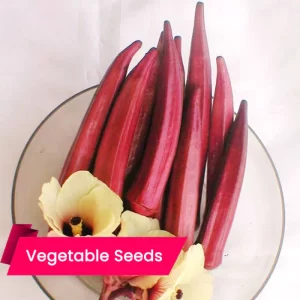
Red ladies’ finger, a vibrant variant of the traditional green okra, stands out for its rich nutritional content and appealing color. Its distinctive red hue adds visual interest to gardens and dishes alike, making it a popular choice among home gardeners and chefs.
Red okra, shaped like torpedoes, is two to five inches long and has a unique flavor, a mix of eggplant and asparagus. When cooked, it turns green, but raw, it adds a vibrant splash of color. This plant, grown annually in tropical areas, is heat-tolerant and known for its mucilage-rich pods, great for thickening stews. Packed with vitamins and fiber, red okra is a nutritious choice, especially beneficial for pregnant women due to its folate content.
Season
Ideal for cultivation from June to August or between February and March, this crop thrives in well-drained land without waterlogging.
To cultivate red ladies’ fingers, choose a sunny location with well-drained soil, and sow the seeds at a depth of 1 inch. Water consistently and provide adequate spacing between plants to support healthy growth. Red ladies’ finger can be successfully grown in various climates, making it a versatile addition to home gardens.
Care for red ladies’ fingers involves regular watering, occasional fertilization with organic nutrients, and monitoring for pests.
The vibrant color signifies higher antioxidant levels, contributing to its enhanced nutritional profile compared to green okra. Enjoy the benefits of this nutritious vegetable, including improved digestion, immune system support, and the potential to manage blood sugar levels. With a similar taste to green okra, red bhendi offers a colorful and nutritious alternative that has been gaining popularity.
Ladyfinger is rich in vitamin C, keeping our immune system strong and helping make collagen. The fiber in ladyfinger makes us feel full, which can help with weight management. It also has vitamin K for blood clotting and strong bones.