
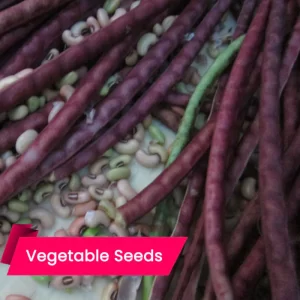

Cowpea, also known as black-eyed peas is a warm-season legume crop. It is a versatile and nutritious crop that thrives in hot and dry climates. Cowpea is a rich source of vitamins, proteins, and minerals. Here are some key points about cowpea cultivation:
Season :
Cowpeas are typically sown in late spring or early summer.
Soil Preparation:
Cowpeas prefer well-drained soil with a pH between 5.5 and 7.0. Prepare the soil by tilling to a depth of 6 to 8 inches and incorporating organic matter such as compost or aged manure.
Planting Method:
Cowpeas can be planted directly into the soil or started indoors and transplanted once the seedlings are established. Plant seeds 1 to 2 inches deep and space them 4 to 6 inches apart in rows, with rows spaced 24 to 36 inches apart.
Watering:
Cowpeas have moderate water needs and should be watered regularly, especially during dry periods. Avoid overwatering, as cowpeas are susceptible to root rot in waterlogged soil.
Fertilization:
Cowpeas are nitrogen-fixing plants, meaning they can convert atmospheric nitrogen into a form that is useful for plants. However, they may still benefit from a balanced fertilizer application at planting time.
Weed Control:
Keep the area around cowpea plants free of weeds, as weeds can compete for nutrients and water. Mulching can help suppress weeds and retain soil moisture.
Pest and Disease Management:
Cowpeas are relatively pest and disease-resistant, but they may be susceptible to aphids, leafhoppers, and pod borers. Monitor plants regularly for signs of pests and take appropriate action if necessary.
Harvesting:
Cowpeas can be harvested when the pods are still young and tender, or left to mature for dried beans. Harvesting regularly encourages continuous production. Cut the pods from the plant using shears or scissors to avoid damaging the plant.
Overall, cowpeas are a valuable addition to any garden or farm, providing nutritious beans and enriching the soil with nitrogen.
Mahaagrin Seeds
